
How to Maintain PPF
Complete guide to paint protection film aftercare
If you’re interested in having your vehicle protected with PPF, it’s important to know how to look after the film to get the best out of it.
Maintaining Paint Protection Film
One of the main benefits of paint protection film (PPF), is that it makes the vehicle easier to maintain. However, that doesn’t mean that the aftercare can be neglected, and there are several rules to keep in mind when cleaning a car protected with PPF, to ensure that it stays in the best possible condition. In this guide, we’ll go through the “dos and don’ts” of PPF maintenance and some tips to keep it fresh.
Rules of PPF Aftercare
We’ll start off with a quick summary of the essential things to keep in mind when maintaining a car protected with PPF.
Do:
- Wash the car regularly – ideally every couple of weeks and no less than monthly.
- Wash the vehicle as soon as possible if it has any bird droppings, bugs or tree sap on the surface.
- Pre-wash the car with a dedicated snow foam and pressure washer held at a safe distance.
- Use gentle but effective car detailing shampoo to clean the film.
- Use the two-bucket method to safely wash the panels.
- Dry the car after washing with a soft, plush microfibre towel.
Don't:
- Don’t use an automatic or roadside car wash.
- Don’t use brushes or sponges to clean the car.
- Don’t use caustic/ aggressive chemicals, or household cleaners.
- Don’t use tar and glue remover or other solvents near the film’s edges.
- Don’t use clay bars or abrasives e.g. polishes and compounds.
- Don’t hold a pressure washer too close, especially near the edges of the film.
- Don’t apply waxes and other protective products which are not compatible with PPF.
Initial Aftercare
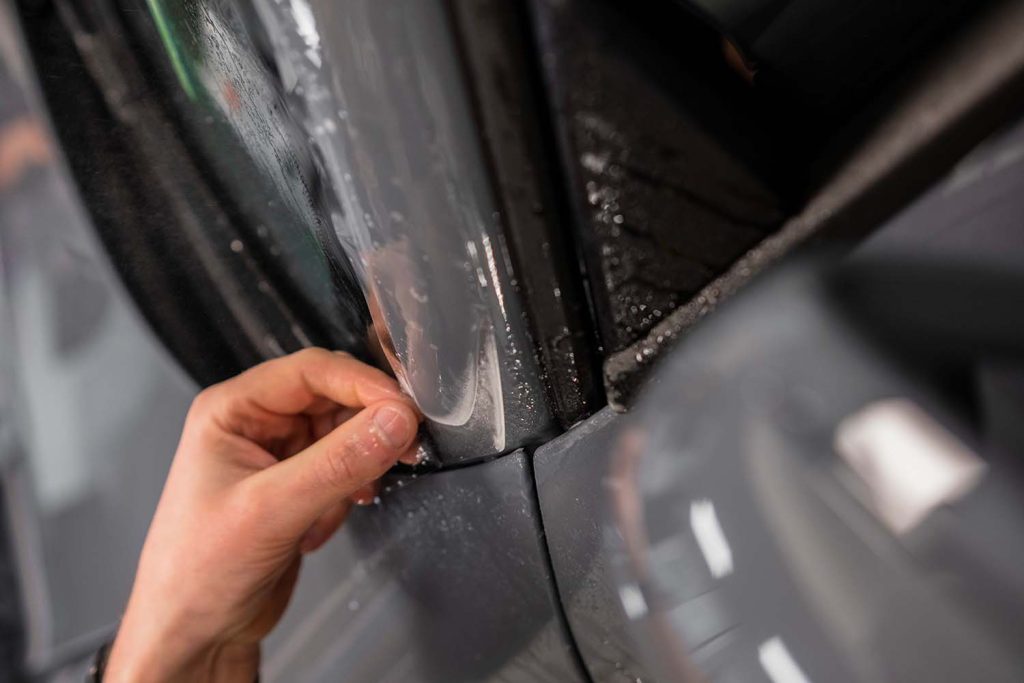
When the PPF has been freshly applied, it is at its most vulnerable. After application, the PPF needs to be left undisturbed to allow it to fully bond and cure for around 7-14 days. It’s recommended not to wash the vehicle for at least one week after the PPF has been applied.
The only exceptions are if the vehicle has been exposed to contaminants such as bird droppings and tree sap. In this event, it is sometimes safer to wash the affected area, rather than leave these contaminants to sit on the surface. If you have a vehicle which has been protected with PPF in the last 7 days and has been exposed to bird droppings or tree sap, get in touch with your installer straight away. They will advise on the best course of action to prevent the film from becoming damaged.
Use the Right Chemicals
Once the PPF has undergone it’s initial curing process over the course of 7-14 days, it can then be washed. It’s vital though that the right types of chemicals are used to clean the PPF, as using overly aggressive or caustic chemicals can etch the film. Here are some key things to keep in mind:
- Use dedicated car detailing chemicals to clean the car. Never use household cleaners e.g dish soap.
- Use snow foam to pre-wash the vehicle. Avoid using aggressive alkaline and caustic pre-washes such as traffic film removers (TFR).
- Use high-quality car shampoo to clean the panels. A good example is Gtechniq GWash.
- Avoid using tar and glue removers (or any other solvents) near the film’s edges as this can dissolve the adhesive and cause the film to lift.
Use Safe Wash Techniques
It’s vital that cars protected with PPF are never washed at automatic tunnel washes, or roadside car wash stations. Unfortunately, these both use aggressive chemicals and abrasive cleaning techniques which will permanently damage the film. Instead, the car should be cleaned using “safe-wash techniques” which minimise abrasion.
Here are the key things to keep in mind:
- The car should always be “pre-washed” first using snow foam. The snow foam should then be methodically rinsed with a pressure washer at a safe distance. This pre-wash process removes the bulk of the dirt before making contact with the paintwork to limit abrasion.
- Use the two-bucket wash method to hand-wash the car. This involves having one bucket filled with clean water, and another filled with water and car shampoo. Every time a panel is cleaned, the wash mitt should be rinsed in the clean bucket of water, before dipping it back into the shampoo solution. This reduces dirt build-up on the mitt throughout the wash.
- Use high-quality microfibre wash mitts and drying towels. Never use sponges, brushes, chamois leather, squeegees or bath towels on the car.
- Wash the car from top to bottom, and keep rinsing the wash mitt between panels or swap to a fresh one.
- Use straight-line motions to wash the car. Don’t use circular motions or go over the same area more than once.
- Never wash the car in direct sunlight or when the panels are warm/ hot to the touch.
Remember to Dry the Vehicle
Once the car has been washed, it’s very important to dry it too. Otherwise you’ll be left with unsightly water spots which can even etch into the film if left to bake onto the finish. Using a microfibre towel is typically the most popular option. Microfibre is soft and plush, so doesn’t cause scratches like cotton bath towels do. Alternatively, a car dryer can be used, just be careful not to blast at the film’s edges.
Wash the PPF Regularly
Although cars protected with PPF are easier to maintain, they cannot be neglected. If the PPF is not washed regularly, it will get clogged and contaminated, causing the performance to diminish. In order to keep the PPF in good condition, it should be washed using safe practices and the right chemicals at least monthly, but ideally every couple of weeks.
The PPF should also be chemically decontaminated and inspected by a professional detailer ideally every 6 months of 5000 miles. This involves using specialist chemicals such as iron fallout removers, to dissolve embedded contamination and keep the coating in good overall condition.
Avoid Abrasives
PPF should not be exposed to abrasives as this can damage the self-healing layer. Abrasives include polishes and compounds (applied via hand or machine) and clay bars and other synthetic clay media e.g. clay mitts, clay towels, clay gloves etc. If you notice any scratches on the paint protection film, get in touch with your installer and they will be able to assess the damage and advise on the best course of action.
Top Up With the Right Products
In order to boost the hydrophobic and self-cleaning properties of the PPF, it can be topped up with compatible forms of protection. It’s vital though to make sure the protective product is compatible with the film, as many car waxes and sealants are not. For example, some waxes contain hydrocarbons (e.g. naphtha and kerosene) which can permanently damage the film. Your PPF installer should be able to advise which products are compatible with your car’s particular film, and which to avoid.
Remove Bird Droppings, Tree Sap, and Bugs As Soon as Possible
Certain contaminants such as bird droppings, bug splatter and tree sap, are capable of chemically etching the film especially if left on for too long on a warmer day. It’s very important to remove these types of contaminants as soon as possible by safely washing the affected area using the process described above. If you’re out and about, and have been unfortunately parked under a tree and noticed bird droppings or tree sap on the vehicle, take it to a self-serve car wash station and rinse it away if you can. Just make sure you never use the brush!
What to Do if the PPF Gets Damaged?
If you notice any damage to your car’s PPF, such as scratches or chemical etching, then it’s best to get in touch with your PPF installer. In some cases, they will be able to carefully apply a heat source which can remove the damage if it’s in the self-healing top layer. However, in more severe cases, the PPF may need to be removed and reinstalled.
Can PPF be Ceramic Coated?
Paint protection film can be ceramic coated, however not every coating is suitable. Some coatings are not flexible enough for the PPF, so struggle to respond to changes in temperature and can stifle the film. Some ceramic coatings are specifically designed for use over PPF, such as Gtechniq Halo which can be applied on gloss, satin and matte PPF.
The benefits of ceramic coating over PPF include:
- Increased hydrophobicity and self cleaning – this keeps the car cleaner between washes.
- Increased chemical resistance – to help shield the PPF from chemical etching.
- Additional UV resistance and gloss – to maintain the visual appearance.
If you want the PPF to be ceramic coated, the best time to have this done is right after the PPF is installed by the detailer.
PPF Specialists in Cheshire
Here at MuffWash in Cheshire, we offer several PPF packages including front-end, track pack, and full coverage. Based in Wilmslow, we are centrally located and easily accessed from areas in Cheshire and Greater Manchester. Get in touch today if you’re looking for a quote to have PPF installed on your vehicle.
Get a free quote for ceramic coating services or PPF services today!